
If you are a Salesforce Flow fan, I am sure like me, Spring 21 release is going to excite you as well. If you are dealing with situations where you need to take actions based on some future dates, till today, you can either write scheduled action in Process Builder or time-dependent actions in workflow rules. But with Spring 21 release you can implement the same in flow. This post will show you how you can take advantage of this new cool feature. I also created a video explaining the steps.
You can check my other posts which talk about some of the flow enhancements that are coming along with Spring 21 release.
- How to compare between Prior and New Value in Record Triggered Flows
- Blog: http://bit.ly/3r78BTo
- Video: https://youtu.be/auTFTb2exhw
- How to create multi-column screens in Flow Builder
- Blog: http://bit.ly/38ta5i6
- Video: https://youtu.be/CiKf5bVdGqw
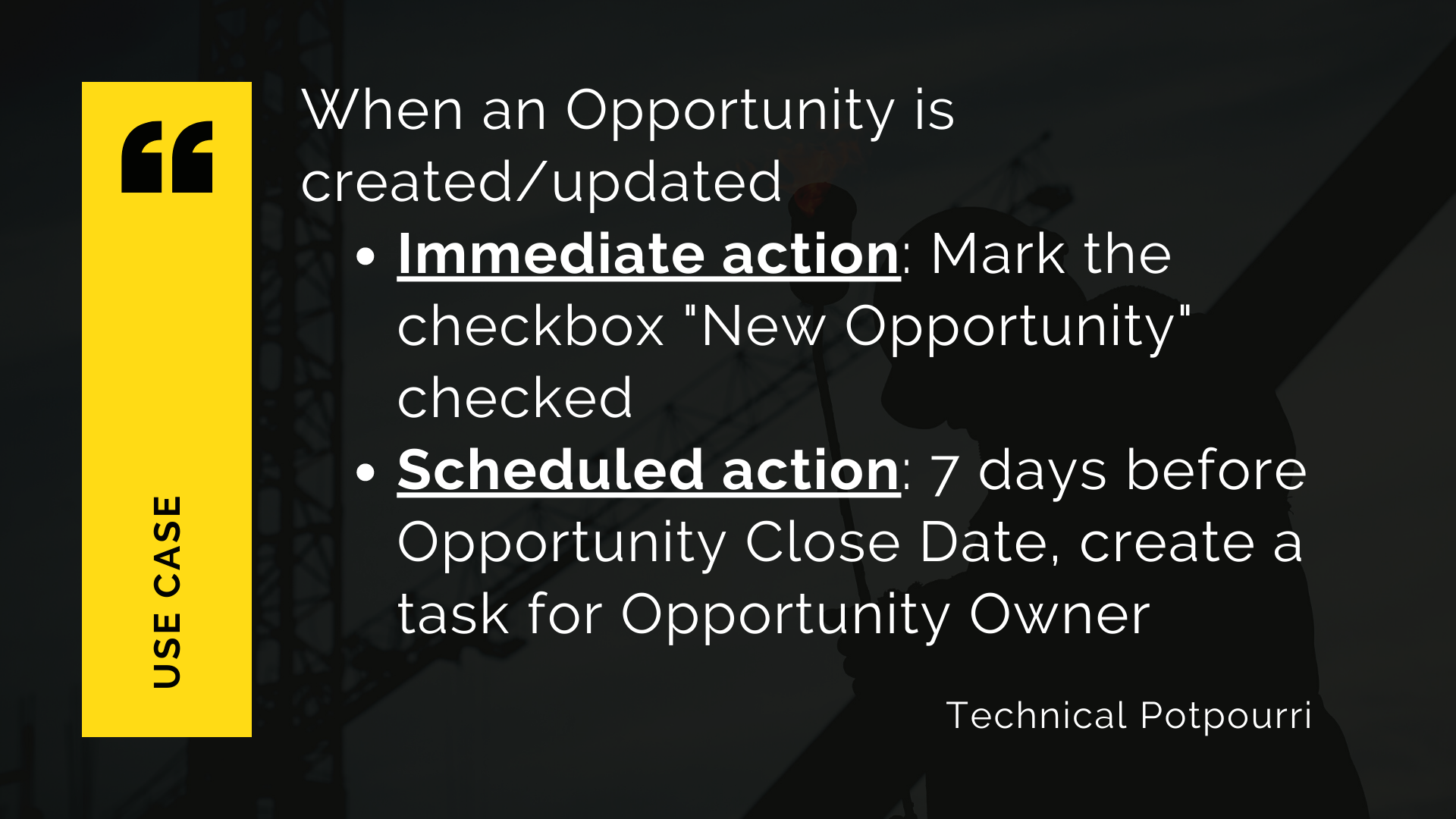
Use Case:
Here is the use case which I will be implementing –
Step 1
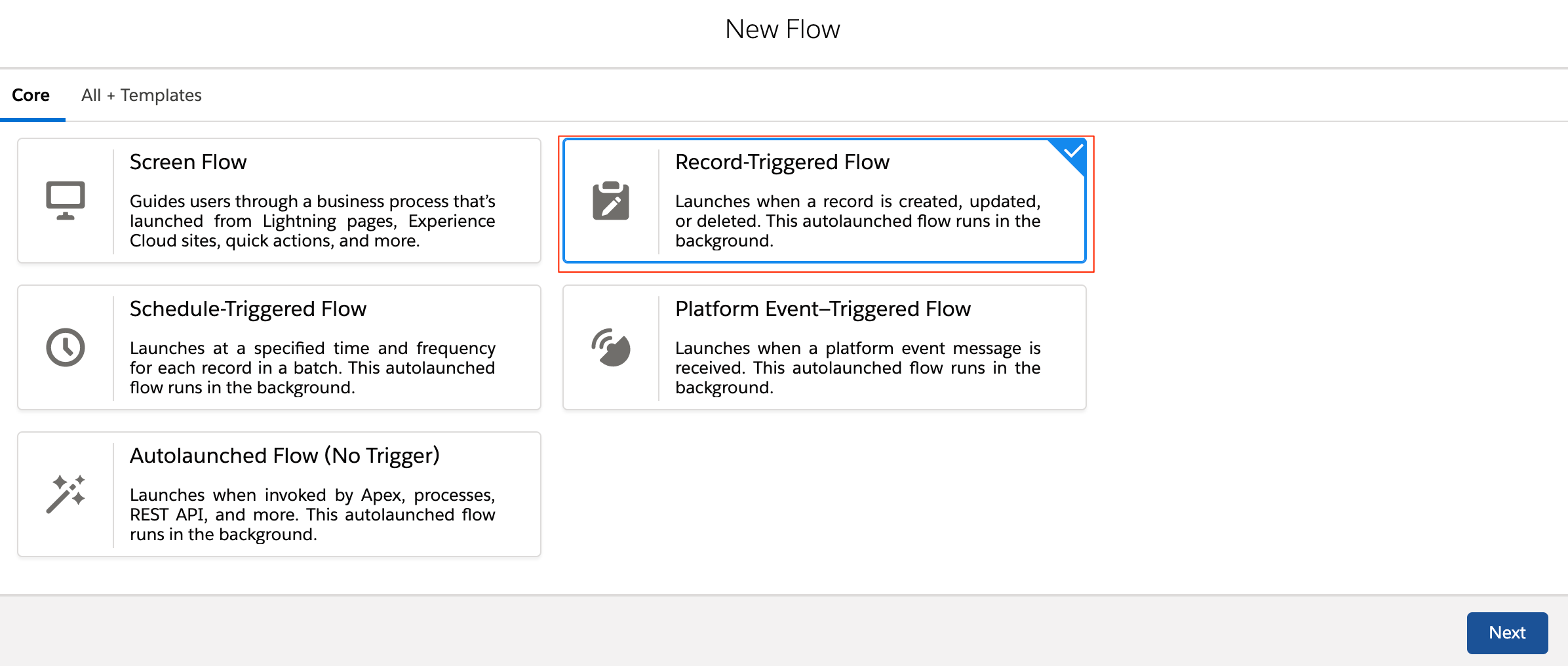
Create a Record-Trigerred Flow and choose Freeform/Auto-Layout in the next screen.
Step 2
Configure the Trigger Screen as –
- Trigger the Flow When: A record is created or updated
- Run the Flow: After the record is saved [Note – Schedule action/path is only available after the record is saved.]

Step 3
Configure the object as “Opportunity” with the criteria to make sure flow is running only when the opportunity is open.
Important – Select “Only when a record is updated to meet the condition requirements” under the “When to run the Flow for updated records” option. This is important, otherwise, you will not find the option to configure the schedule path.

Step 4
Configure the schedule path as shown below. You will find the option in the Start element

Step 5
Configure the immediate action. First, create the Assignment to update the checkbox and then Update the Opportunity record. You can connect them with Start element as Immediate Action.


Step 6
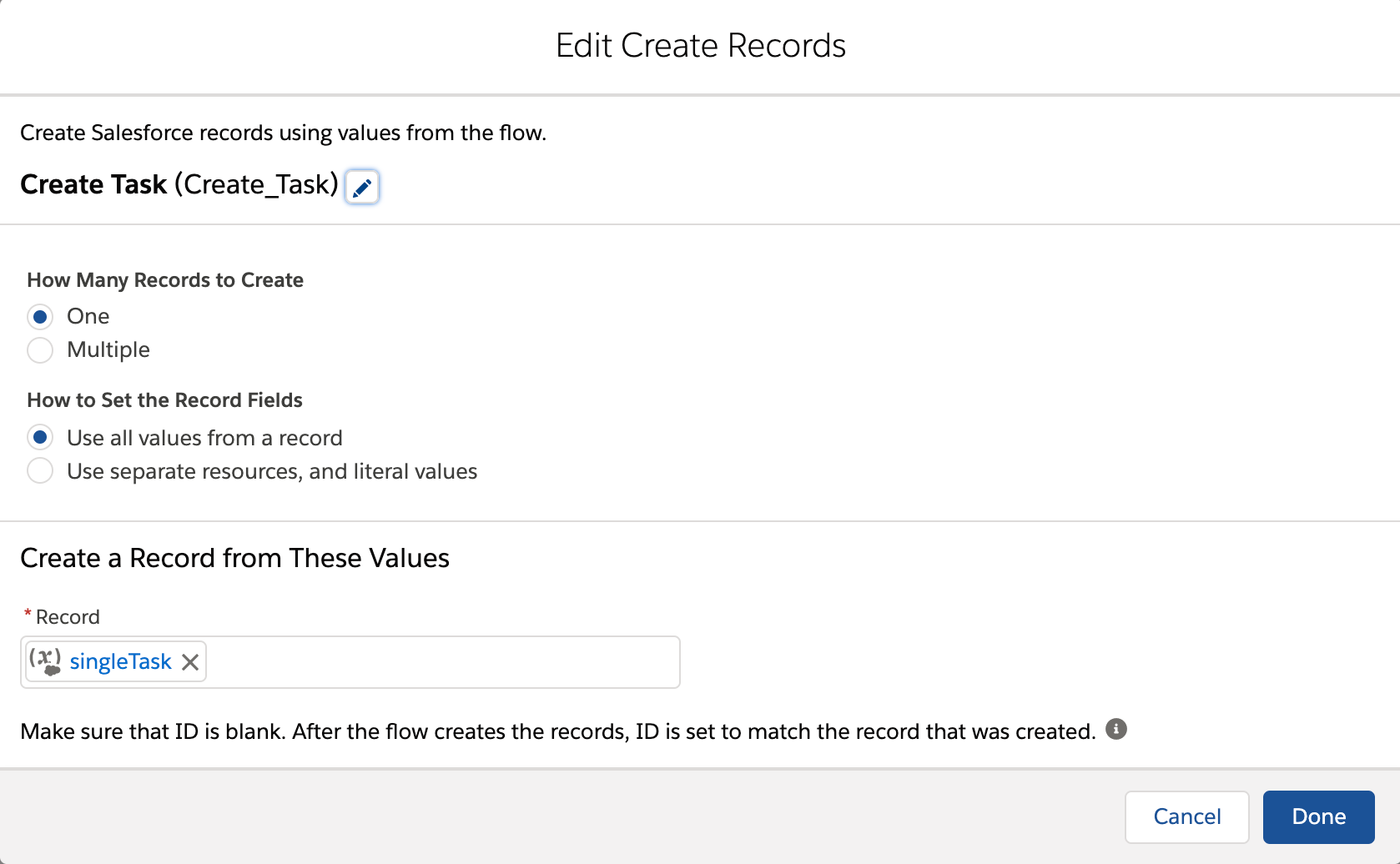
Configure the scheduled action. First, create the Assignment to create a task and then create the Task record. You can connect them with Start element as Scheduled Action.

Final Flow

I hope this blog post is helpful. Let me know your feedback in the comment section.
I have also created a short video showing the steps to implement this use case.
Video Link: https://youtu.be/P06b0WhRGNc


0 Comments